Should You Buy on a Golf Course in Hua Hin If You Don’t Play Golf?
Yes, a Hua Hin golf course home can make sense even if you never play, because most of what you pay for is open green space, gated security and low-density living. It stops making sense when you pay the full fairway-frontage premium for a view you don’t value, or buy right beside the clubhouse gate.
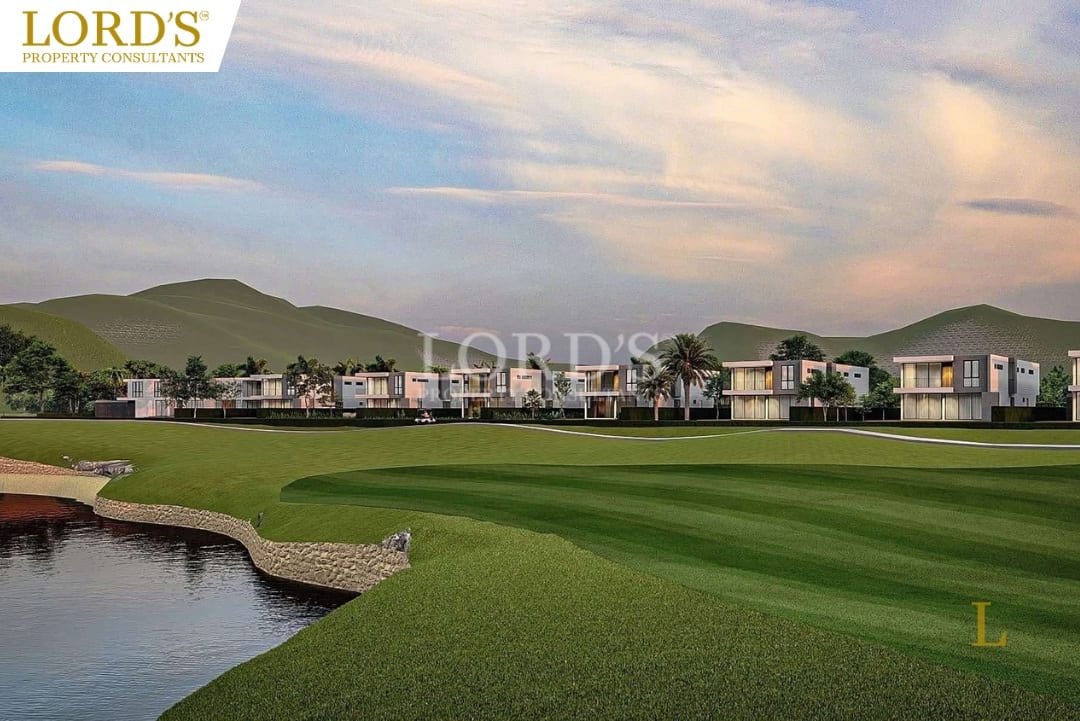
Hua Hin has more championship golf within half an hour than almost anywhere in Asia, and its best-known estates, Black Mountain, Palm Hills and Pineapple Valley (formerly Banyan), were built around the game. Yet a large share of buyers who walk these estates never swing a club. They come for the space, the quiet and the gate at the entrance. The real question is not golf or no golf. It is which parts of a golf estate you will actually use, and which parts you will only pay for.
Is a golf course home in Hua Hin worth it if you never play golf?
Yes, for many non-golfers, because the value of a Hua Hin golf estate sits mostly in things you use every day: green outlooks, security, wide roads and low density. The course is the reason the open space exists, but you do not have to play it to benefit.
Think of the course as a vast private park that someone else waters, mows and pays to maintain. Around it you usually get staffed gates and patrols, generous plot sizes, and clubhouse facilities such as restaurants, gyms and pools that residents can use without a handicap. If personal safety matters to you, our guide to security on Hua Hin golf estates covers how gated access and patrols really work.
The estates also differ sharply in character. Black Mountain feels like a self-contained resort town with a water park, an international school at the gate and newer villas and condos, while Palm Hills is an older, leafier estate closer to Cha-am with some of the largest plots in the area. Our comparison of living at Palm Hills vs Black Mountain helps non-golfers pick on lifestyle rather than on course rankings.
Do golf course properties in Hua Hin hold their value better?
They can, but the premium attaches to the plot, not to the estate name. Research shows fairway-front homes selling well above interior homes in the same estate, while new golf courses can lower values in the wider surrounding area.
The best-known study on this, published in the Journal of Sport Management, analysed 305 sales in one golf subdivision and found that homes directly on the golf course sold for about 26% more than comparable homes elsewhere in the same estate. The same authors note that developers build courses into housing estates primarily to create that price premium, which tells you who the premium is designed to reward: the buyer who values the frontage.
The picture is not one-sided. A 2023 Harvard thesis using nationwide US data found that building a new golf course lowered surrounding home values by roughly 2.7% on average, and the author suggests residents who do not golf gain little from the course while still living with its traffic and noise. Both findings come from the US, so treat them as direction rather than a Hua Hin price guide.
Before Hua Hin, I spent more than 20 years in the German property market, and the lesson that carried over most directly is that the location inside the location decides your resale. On golf estates here, two villas with the same floor plan can sit in completely different markets: one faces a fairway and appeals mainly to golfers, the other looks over a lake or the mountains and appeals to everyone. When a non-golfing client tells me resale matters, I steer the search toward the second kind, because that buyer pool is simply larger. Our breakdown of on the golf course vs near the golf course prices shows what that difference costs, and it is worth deciding early whether this is a long-term investment or a lifestyle purchase.
What are the downsides of living on a golf course if you don’t play?
The downsides non-golfers notice are the ones golfers barely register: stray balls, mowers starting around dawn, turf spraying, passing players looking into your garden and club traffic near the entrance.
Stray balls: plots on the outside of a dogleg or beside a tee take the most hits, on roofs, windows, cars and pool areas.
Early maintenance: greenkeeping crews work before the first tee times, which in Hua Hin can mean machinery shortly after sunrise.
Chemicals and irrigation: fairways are fertilised and treated on a schedule, which matters if you have young children, pets or a vegetable garden near the boundary.
Privacy: a fairway view works both ways, and open fencing means golfers and caddies can see your terrace.
Entrance traffic: homes near the clubhouse gate see tournament days, shuttle vans and early-morning arrivals.
The research backs up that last point. The Journal of Sport Management study reports earlier New Jersey findings that homes within a tenth of a mile of a course entrance were worth about 3.7% less, while frontage itself still carried a premium. The Harvard thesis goes further for non-golfers specifically: when you gain nothing from the fairway, the side effects are all that is left. For a practical look at how these issues play out plot by plot, read our guide to living next to a fairway in Hua Hin, and check how policies treat ball damage in insuring a golf course villa in Thailand.
What will you pay for on a golf estate that you won’t use?
You pay for landscaping, security and common areas through monthly common fees whether you play or not, and many resale villas fold golf memberships into the asking price. Ask for both figures separately before you negotiate.
Common area fees on Hua Hin golf estates are usually charged per square metre of land per month, so the large plots that make these estates attractive also make the bill larger. Before you commit, ask for the last two years of fee statements, the estate’s reserve fund position and any planned special levies. Our guide to golf course villa HOA and CAM fees in Hua Hin explains what those fees should cover.
Memberships are the second hidden line. A villa marketed with “two lifetime golf memberships” is priced as if you value them. If you won’t play, ask whether the memberships can be sold separately, transferred or removed from the deal, and negotiate the price accordingly. Many buyers are surprised by what is and isn’t included, so read do you get free golf with a Hua Hin golf course villa, and budget for the wider hidden costs of buying property in Thailand as well.
Can a foreigner own a golf course villa in Hua Hin?
A foreigner cannot own the land under a golf course villa in their own name, so villa buyers typically use a registered long-term lease or another legal structure. A condo inside a golf estate can be owned freehold, as long as the building’s 49% foreign ownership quota is not exceeded.
Condos on estates such as Black Mountain are the exception, because foreigners can hold condo units freehold under the Condominium Act within the 49% quota. How you move the money matters here. For villa purchases, a money transfer service can work well. For condos, I recommend a bank SWIFT transfer from abroad, because freehold registration depends on clean proof that the funds came from overseas. Our guide on how to transfer money to Thailand for a property purchase walks through the paperwork, and if you plan to stay year-round, check which visa lets you live on a Hua Hin golf course.
What happens to your property if the golf course closes or changes owners?
Your home stays yours, but the view, the fees and the estate’s appeal can change. Golf courses are businesses, so check who owns the course land and what the estate rules protect before you buy.
The Journal of Sport Management authors document US courses falling into severe financial distress, with some foreclosed, converted to other uses or sold far below construction cost. Hua Hin has seen its own changes of name and ownership, including the course formerly known as Banyan, now Pineapple Valley, which our Pineapple Valley and Banyan property guide covers in detail. A rebrand is not a problem in itself, but it shows why you should look past the marketing.
Three checks protect a non-golfer most. First, confirm whether the course land sits under a separate title that could be sold or redeveloped. Second, read the estate regulations on what the green areas may be used for. Third, find out who collects and spends the common fees if the club changes hands. Put the answers in writing, and review what to check in a Thai property sales agreement so any seller promises about the course are reflected in the contract. Skipping these steps is one of the reasons some foreigners regret buying property in Thailand.
Where inside or near a golf estate should a non-golfer buy?
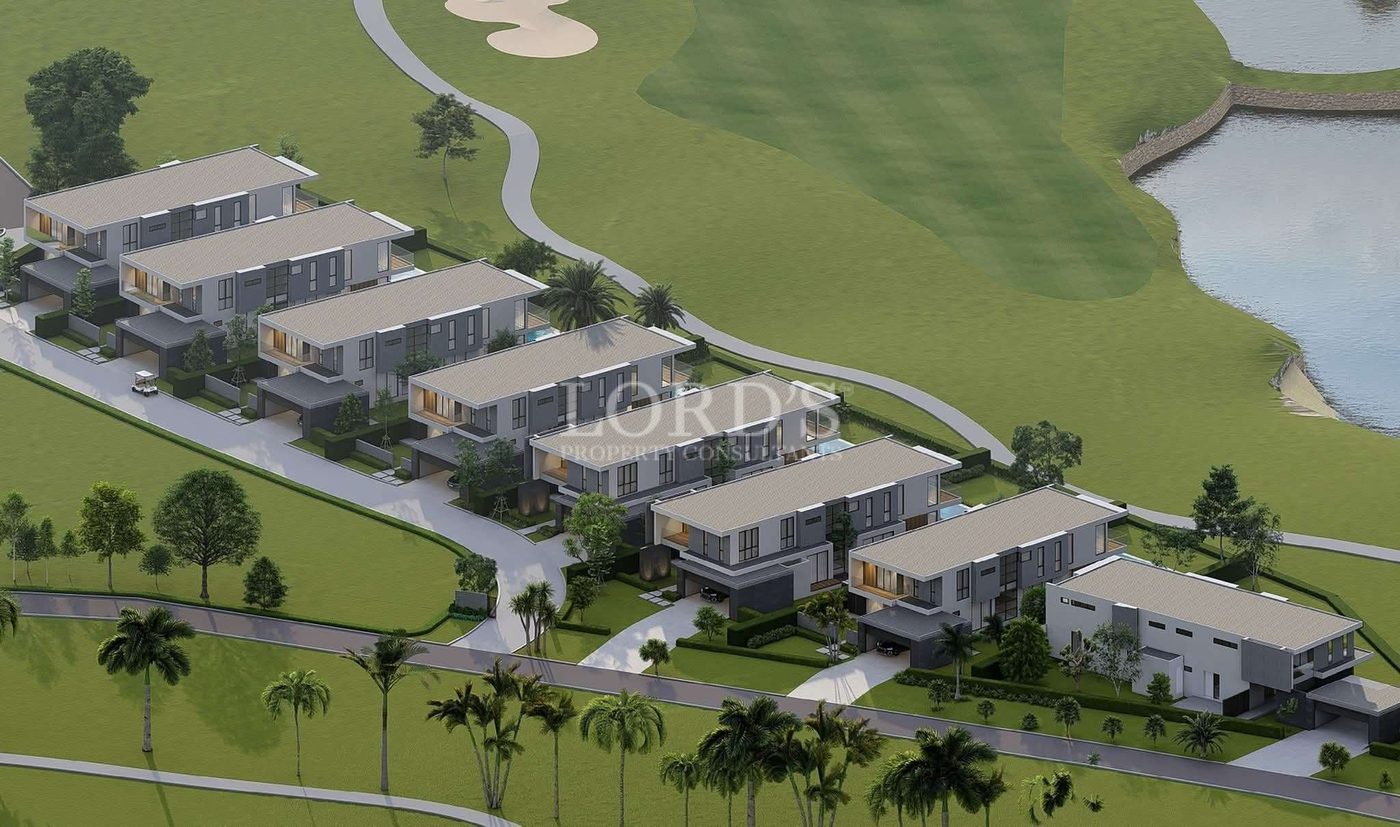
Choose a lake-side, mountain-view or interior plot away from both the fairway line and the clubhouse gate. You keep the security and green outlook without paying the frontage premium or living with the side effects.
Plot position
Price premium
Stray balls and noise
Resale buyer pool
Fit for a non-golfer
Fairway frontage
Highest
Highest
Mainly golfers
Weak
Lake or mountain-view side
Moderate
Low
Broad
Strong
Interior plot
Lowest inside the estate
Very low
Broad, price-sensitive
Strong
Near the clubhouse or gate
Varies
Traffic and event noise
Narrower
Weak
Near the golf course (outside the estate)
None to low
None
Broadest
Strongest value
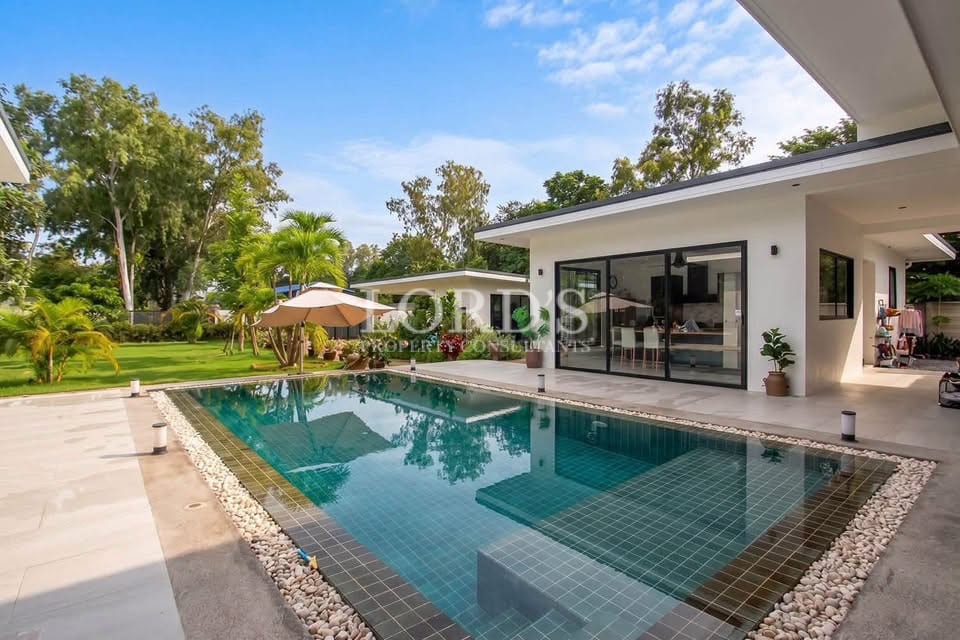
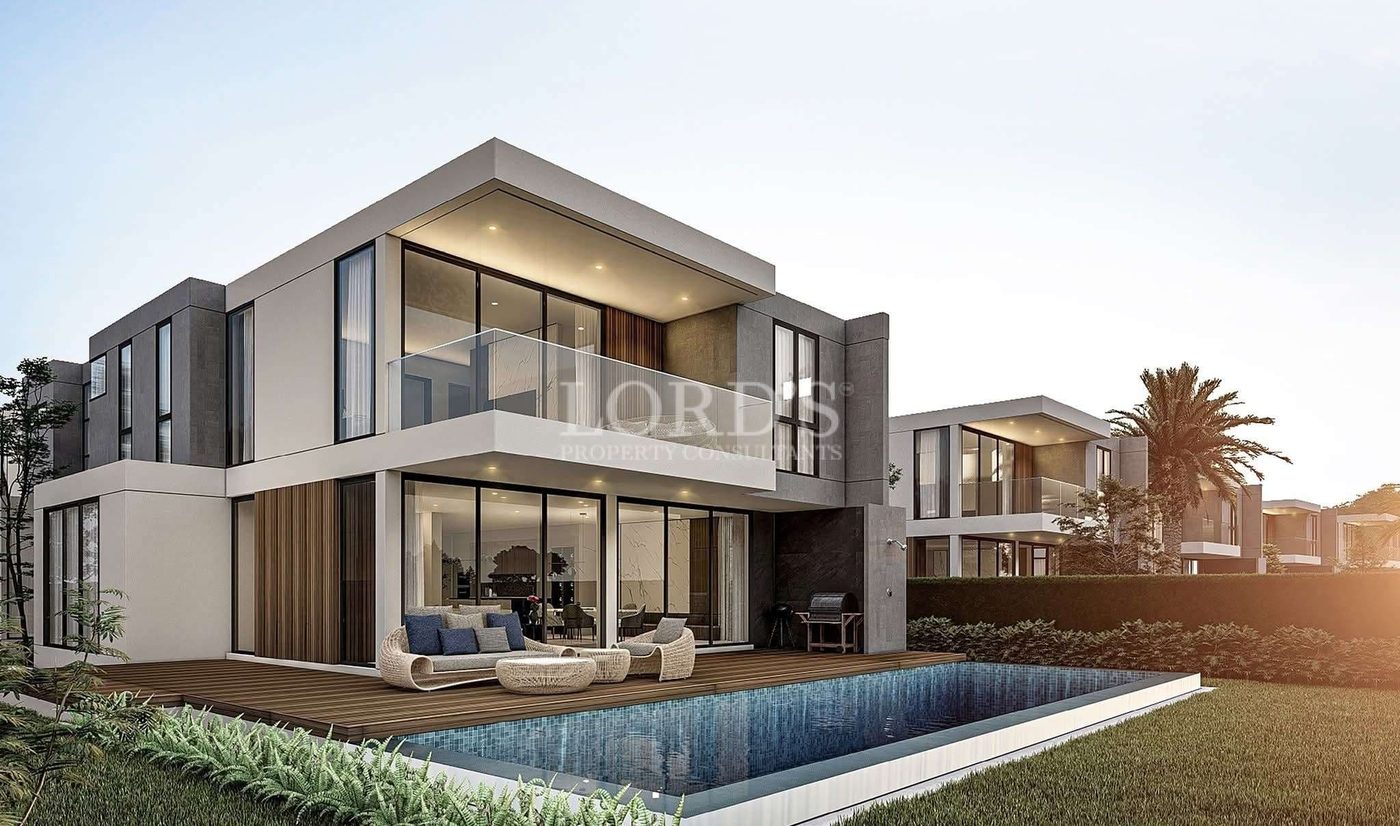
A large share of the villas I list carry our “near the golf course” label rather than sitting on a fairway, in developments such as Hillside Hamlet close to Pineapple Valley and pool villas a short drive from Black Mountain. For a non-golfer, these are often the smarter buy: the same mountain backdrop and green surroundings, the clubhouse restaurants a few minutes away, and no premium for a fairway you will never walk. When I show both types on the same day, the price gap usually settles the question faster than any sales pitch. You also avoid estate rules built around golfers, from buggy traffic to course-side fencing, which is why many owners here ask whether they even need a golf cart in a Hua Hin golf community.
One more check applies to every plot: water. In dry years the Pran Buri reservoir that supplies much of the area has run low, so ask whether the estate has its own wells, storage tanks or an independent treatment system, and whether your plot has a private tank. If you are still weighing the golf belt against the coast, compare beachfront vs inland property in Hua Hin, and if you are unsure about committing at all, consider renting vs buying in Hua Hin for a season first.
Frequently asked questions
Is Black Mountain or Palm Hills better for non-golfers?
Black Mountain suits non-golfers who want resort facilities such as a water park, gyms and an international school on the doorstep. Palm Hills suits those who want larger, leafier plots and a quieter, more residential feel closer to Cha-am.
Do I have to buy a golf membership with a golf course villa in Hua Hin?
Usually not, although many resale villas include memberships in the asking price. Ask whether they can be removed, sold separately or transferred, and adjust your offer accordingly.
Do golf course villas in Hua Hin really get stray golf balls?
Yes, fairway-front plots, especially those beside tees or on the outside of doglegs, can take regular hits on roofs, windows and pool areas. Interior, lake-side and near-the-course plots largely avoid the problem.
Is a condo inside a golf estate a smarter entry point for non-golfers?
It can be, because a foreigner can own a condo unit freehold within the 49% foreign quota, while villa land requires a lease or another structure. Condos also come with lower maintenance and smaller common fees than a villa on a large plot.
Are Hua Hin golf estate villas easy to rent out?
Demand peaks in the dry, cooler months from November to March, when long-stay golfers and winter visitors arrive, so check the best months to play golf in Hua Hin before planning a rental calendar. Outside that window, interior and near-the-course villas that appeal to families and remote workers tend to fill more easily than golf-focused homes.
Will I fit in socially on a golf estate if I don’t play?
Most estates have a mixed community of retirees, families and remote workers, and clubhouse restaurants, gyms and pools are social hubs in their own right. If you later want to try the game, golf lessons and academies in Hua Hin and the local expat golf societies make it an easy step.
Conclusion: buy the estate, not the fairway
A golf estate can be one of the best places in Hua Hin to live without ever touching a club, because the security, space and green outlook work for everyone. What a non-golfer should avoid is paying golfer prices: the fairway-frontage premium, bundled memberships you will never use, or a plot beside the clubhouse gate. Pick a lake-side, mountain-view or interior plot, or a villa just outside the estate, check the ownership structure, fees, water supply and course title, and you get most of the lifestyle for noticeably less. If you are coming from another golf market, our note for Dubai golf community owners moving to Hua Hin shows how the two compare, and the full process of buying property in Thailand for foreigners sets out every step from reservation to transfer.